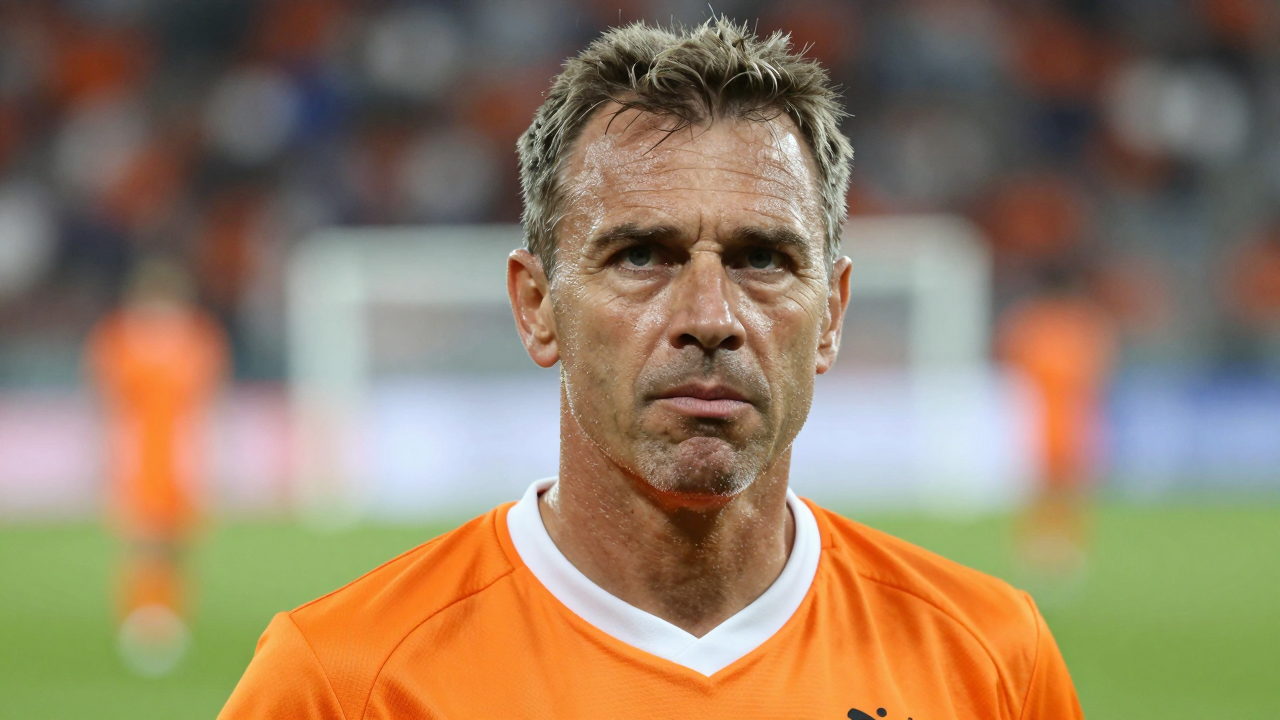
In the summer of 1988, Dutch football was in a state of excitement. The national team, led by coach Rinus Michels, had qualified for the European Championship in West Germany. Expectations were high, but no one could have predicted that the Netherlands would shine on the biggest stage. The team, which had been seen as talented for several years, finally had the chance to realize its potential.
The road to the final was not easy. Netherlands started the tournament with a solid victory over England, followed by a draw against the Belgian side. The final group match against the Soviet Union was crucial, and Netherlands managed to advance to the semi-finals with a convincing 1-0 win. The semi-final, played in Hamburg, ended with a sensational 2-0 victory for the Netherlands. This was a moment when the entire nation united in joy and pride.
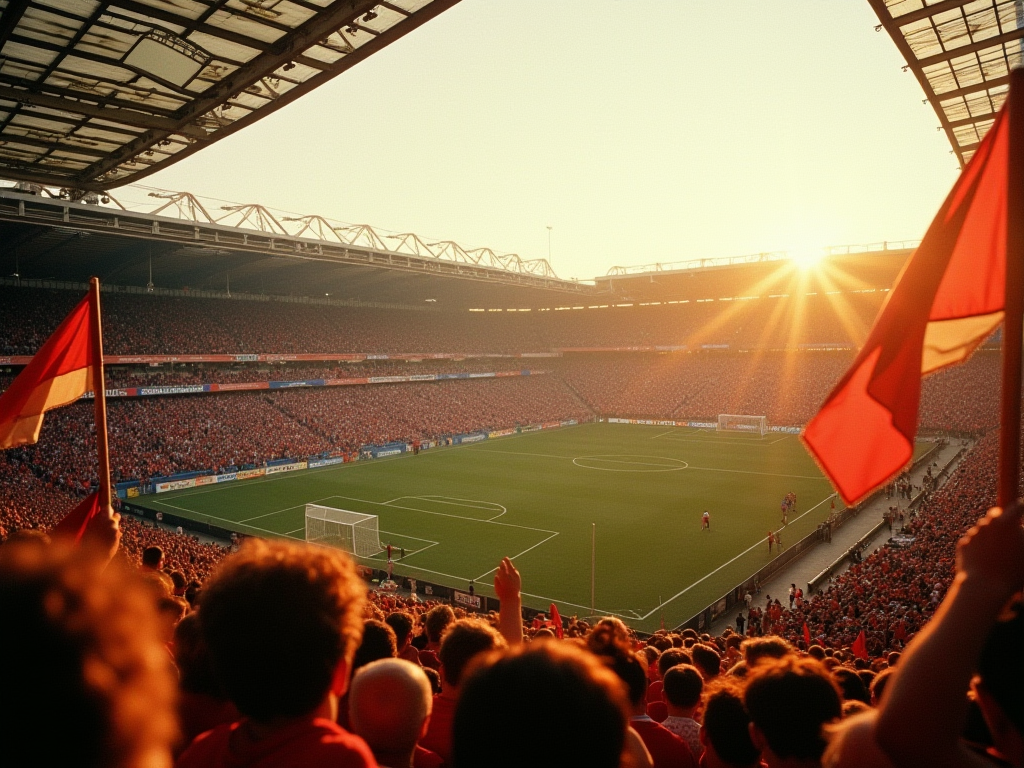
On June 25, 1988, the Dutch team faced the Soviet Union in the final, held at the legendary Olympiastadion in Munich. The tension was palpable. Supporters, dressed in the iconic orange, filled the stadium and created a festive atmosphere. The team, featuring stars like Ruud Gullit and Marco van Basten, was determined to lead their country to victory.
The final began with a shock. Ruud Gullit opened the scoring for the Netherlands in the 32nd minute with an impressive goal. But the moment that made Dutch hearts race came in the 87th minute. Marco van Basten, who had already made a significant impression throughout the tournament, scored a phenomenal goal with a stunning volley that left the Soviet goalkeeper no chance. The goal is often described as one of the most beautiful in the history of the Euros, securing a 2-0 win for the Netherlands and the trophy.
That victory in 1988 was not just a sporting triumph but also a cultural moment that shaped the identity of Dutch football. The tournament brought the nation together and instilled a sense of pride and unity. The players became heroes, and the orange jersey became a symbol of the Dutch football spirit. Euro 1988 remains etched in the memory of every football fan, and its impact is still felt, especially with the upcoming FIFA World Cup 2026 on the horizon.
As the Netherlands prepares for the next big challenge, we can look back on this unforgettable chapter in our football history. It reminds us of what is possible when talent, teamwork, and determination come together. This is the spirit of Oranje, and it will continue to inspire us in the tournaments to come.