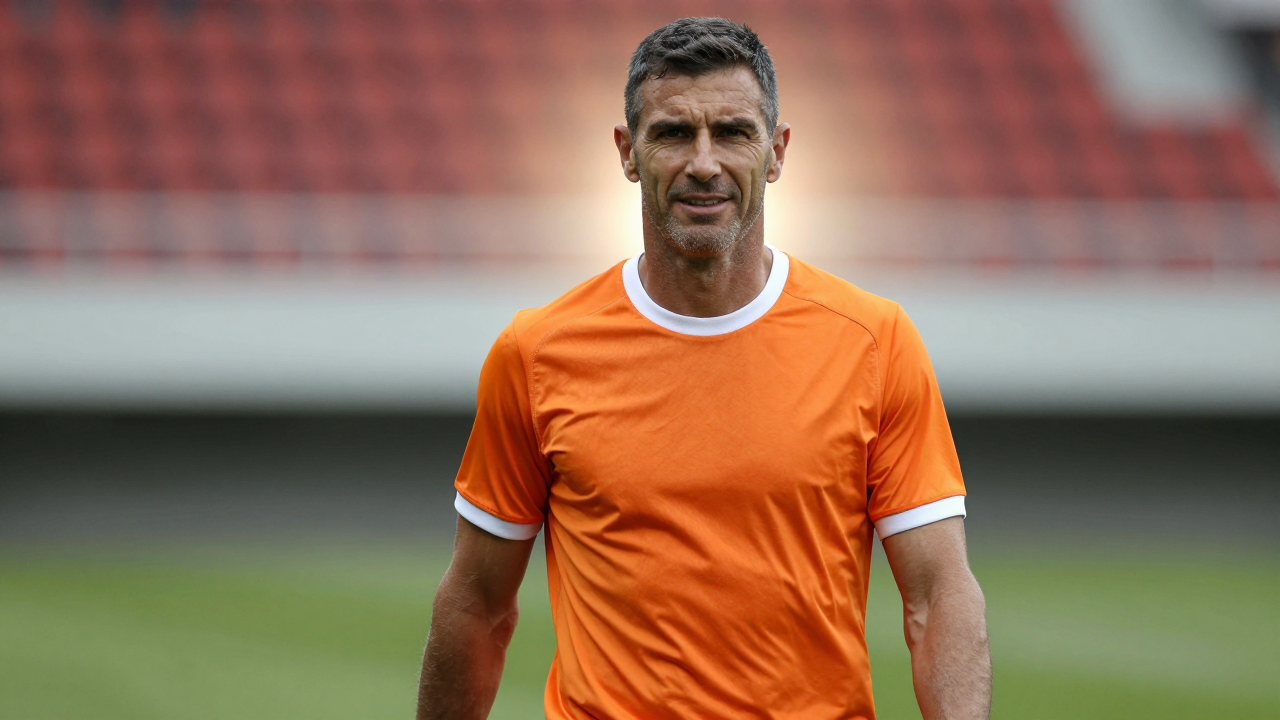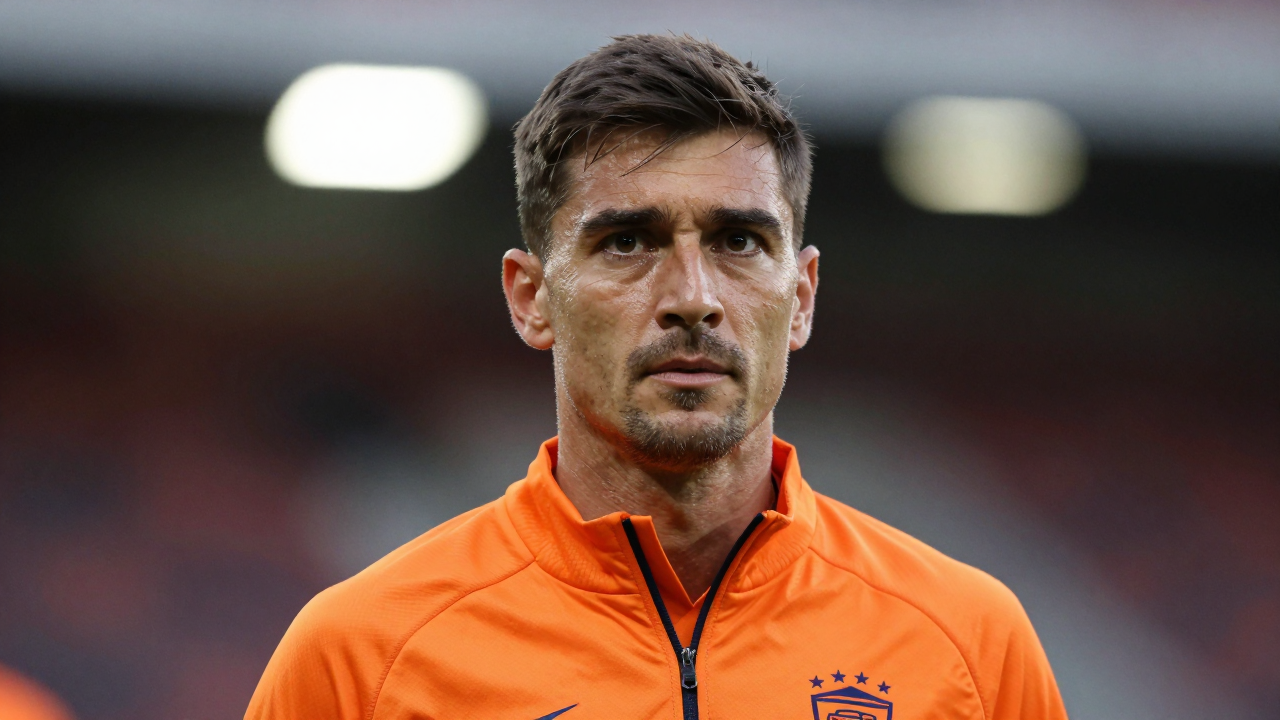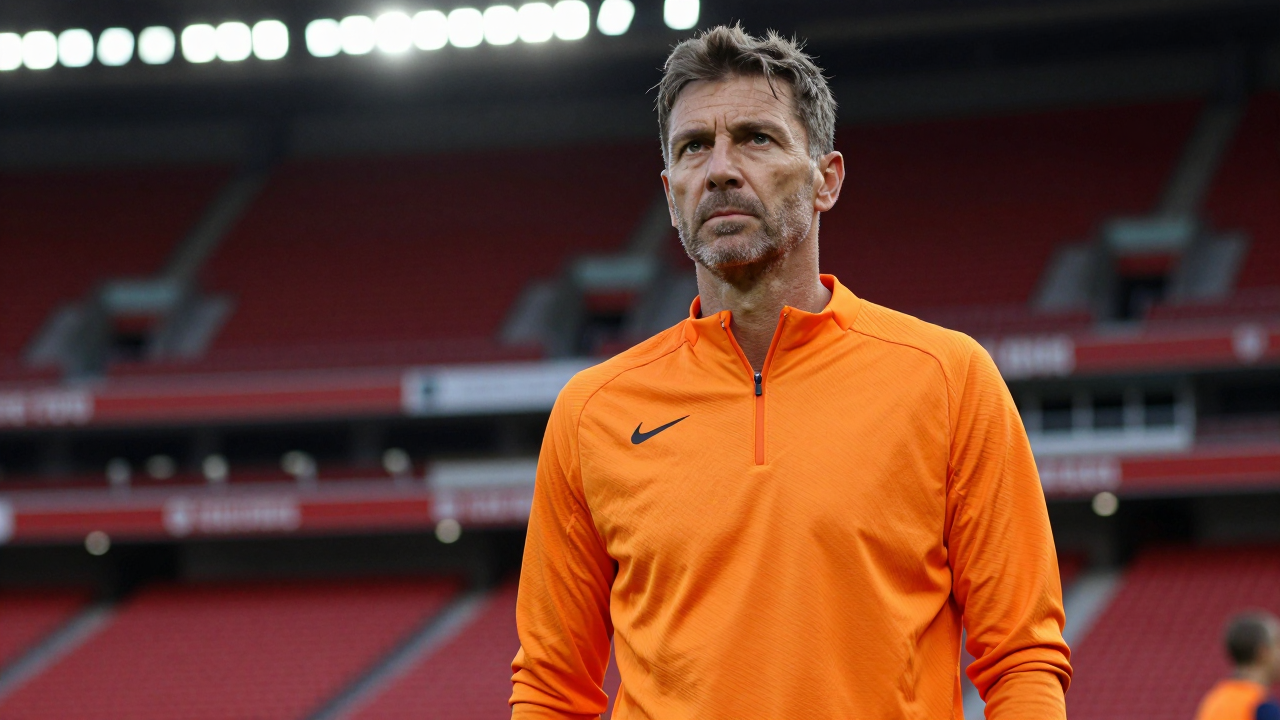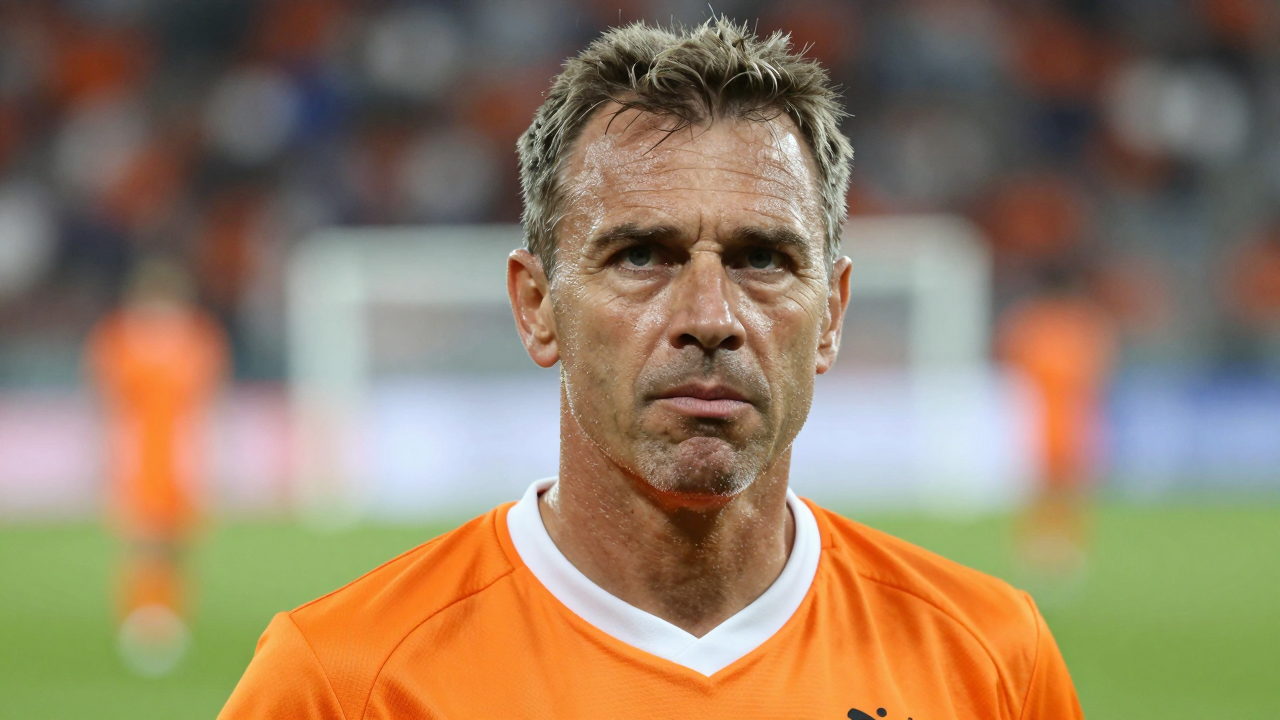
Frenkie de Jong, the dynamic midfielder of the Dutch national team, is one of the most crucial players in coach Ronald Koeman's system. De Jong often serves as the linchpin of the team, where he not only executes defensive duties but also dictates the creativity and tempo of the game. His ability to receive the ball under pressure and act quickly allows the build-up of play to flow smoothly.
In the current formation of Oranje, which often plays in a 4-3-3 setup, De Jong has the freedom to contribute both offensively and defensively. This dual role is crucial, especially against strong opponents who apply pressure. When De Jong receives the ball deep in his own half, he can break lines with a single pass, placing his teammates in goal-scoring positions. These qualities make him not only a defensive fortress but also a catalyst for attacking actions.
His positioning and movement are also of great importance for team dynamics. De Jong often draws opponents towards him, creating space for his teammates. Moreover, he can easily adapt to the opponent's playing style, which is a key factor in the tactical flexibility of Oranje. This also makes him a valuable player in the build-up, as his dribbles and short passes enable the team to transition more rapidly into the final third of the pitch.
With the upcoming FIFA World Cup 2026 on the horizon, De Jong's influence on Oranje's game will only increase. His experience and technical skills are crucial for the team, especially in the knockout stages of the tournament. If the Netherlands wants to realize its ambitions, De Jong will undoubtedly continue to play a key role in the team's strategy, both with and without the ball.