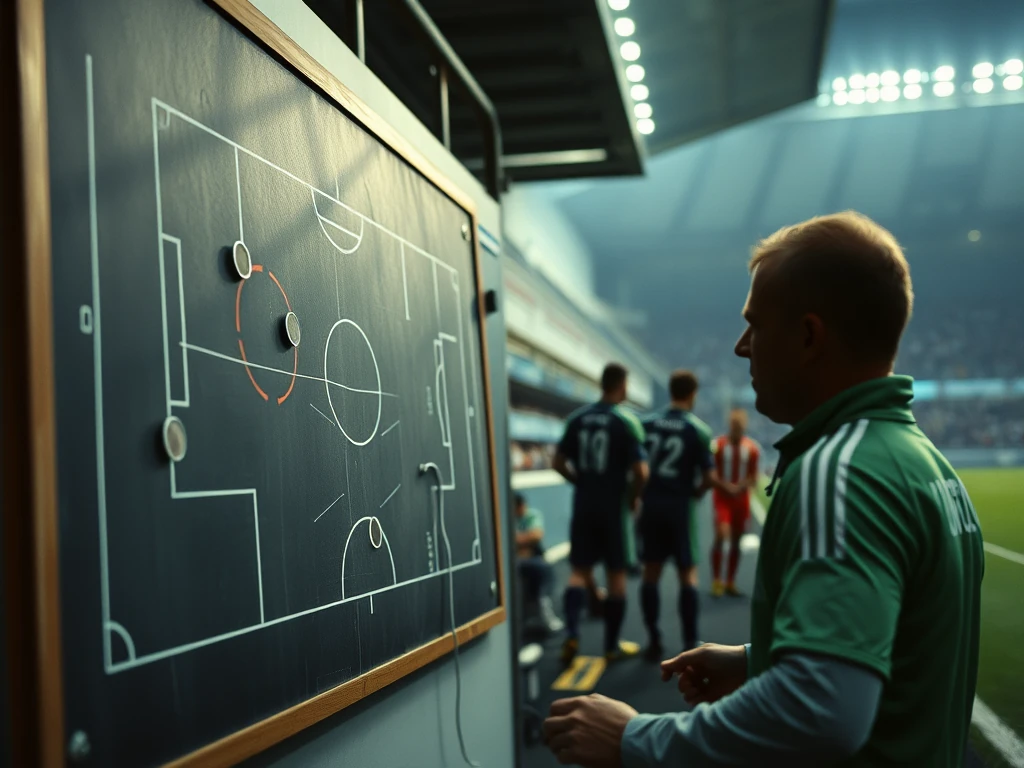
(markdown paragraphs in English) The recent matches of the Netherlands national team have yielded a mix of impressive victories and disappointing draws. The tactical setup under Ronald Koeman has produced results, but some key adjustments are necessary to be optimally prepared for the 2026 World Cup.
1. Formation Adjustment
One of the most notable aspects of Oranje's recent tactics is the choice of a 4-3-3 formation, which has become popular in recent years. While this setup offers many attacking opportunities, the team can be vulnerable in defense in certain situations. A possible tactical change could be to switch to a 4-2-3-1 formation, employing two defensive midfielders to enhance defensive stability. This would not only reduce pressure on the defense but also allow for more creativity from the midfield.
2. Strengthening the Flanks
Recent matches have shown that the flanks of the team often come under pressure. It is key that the wingers contribute not only offensively but also fulfill their defensive duties. Deploying players like Donyell Malen and Steven Bergwijn can increase speed and creativity on the wings, but their work ethic when losing the ball is equally important. Instructing them to drop back and assist in defense can make Oranje more resilient against counterattacks.
3. Positional Play and Ball Possession
The ball possession game of the Netherlands is generally strong, but there are moments when the team struggles to control the tempo. A tactical adjustment could be to place more emphasis on triangulating passes and creating overloads in midfield. Use players with high football intelligence, such as Frenkie de Jong, can help accelerate the game and find open spaces. This would not only improve ball possession but also create more chances for attackers to get into scoring positions.
4. Flexibility in Attack
Oranje should also consider how they use their forwards. It's important for players to adapt to different game situations. By considering a more flexible role for the strikers, allowing them to swap positions with wingers, the team can confuse opponents' defenses. This kind of dynamism can lead to more chances and ultimately more goals.
Conclusion
The road to success for Oranje in the 2026 World Cup will depend on the willingness to make tactical adjustments and adapt to the team's strengths and weaknesses. By reconsidering formation, flanks, positional play, and attacking strategies, the Netherlands can position itself as a serious contender for the world title. With the right tweaks, Oranje can fully use its potential and provide fans with an unforgettable experience in the United States.