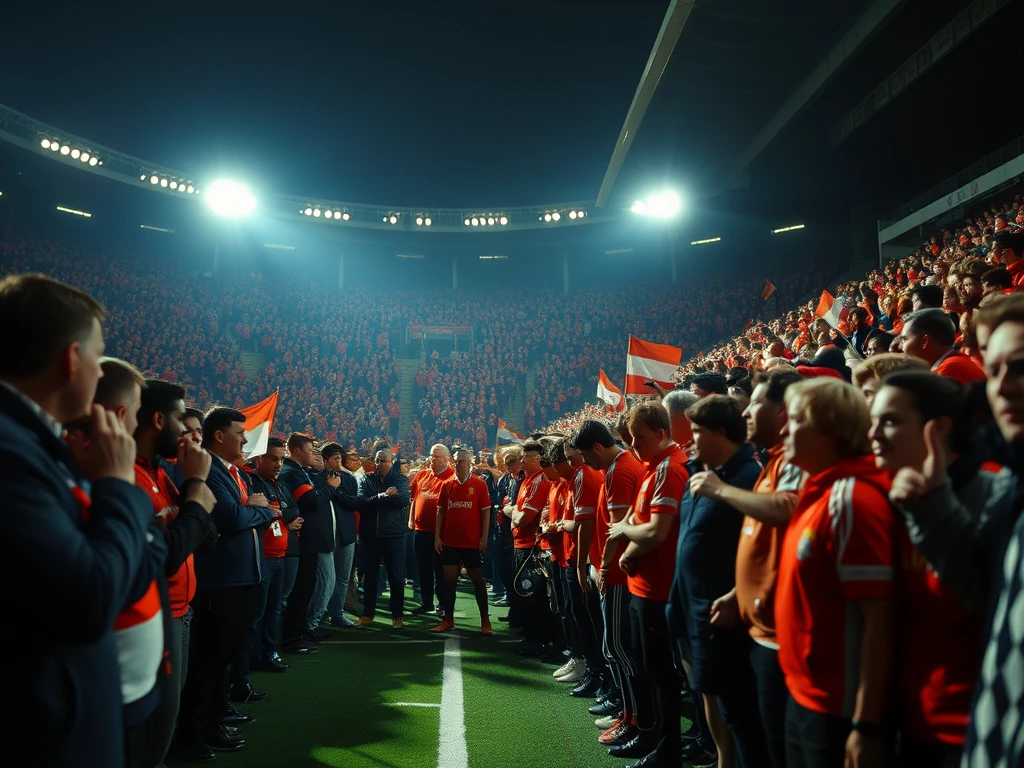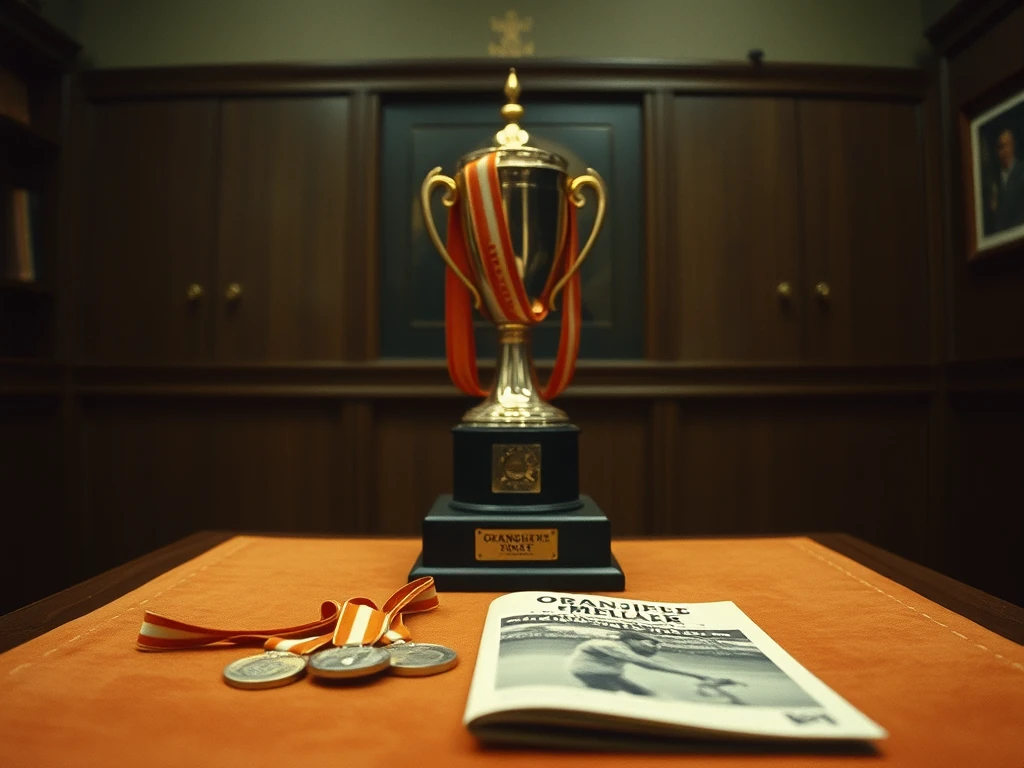

The 1974 World Cup final in Munich is more than just a match; it is a monument of football history that defined the spirit of Dutch football. At a time when the Netherlands was not yet the prominent football nation it is today, the team under the guidance of Rinus Michels showed a revolutionary style of play that left the world in awe. The combination of technical skill, tactical finesse, and an undeniable team spirit formed a blueprint for the future of Dutch football.
Leading up to the final, Oranje had put together an impressive run. With stars like Johan Cruyff, Johan Neeskens, and Ruud Krol at the helm, the team was a joy to watch. The convincing victories in the group stage and knockout rounds bolstered the team's confidence as they marched towards the final. It was not only a sporting achievement but also a cultural event that cemented Dutch identity and pride.
The final on July 7, 1974, against West Germany presented a different challenge. The tension in the Olympiastadion was palpable. Netherlands started the match with a stunning goal from Johan Neeskens, who found the net just 2 minutes in. This seemed to crown Oranje's impeccable campaign up to that point, but it also marked the beginning of a dramatic twist. West Germany, with their undeniable fighting spirit, came back to win the match 2-1. The disappointment after the defeat was immense, but the impact of this final was undeniable.
The loss in 1974 is often cited as one of the greatest tragedies in Dutch football history, but it also had a lasting influence on football in the Netherlands. The style of play presented in this final, with an emphasis on positional interchange and ball possession, paved the way for future generations. The concepts of 'total football' that Rinus Michels and his players developed became the foundation for successes in the 1980s and 1990s, as well as the modern approach to the game.
Now, with the upcoming 2026 World Cup on the horizon, Oranje reflects on this rich history. The lessons from 1974 remain relevant for the current generation of players. The spirit of collaboration, creativity, and determination that led the team to the final are still core values that the current squad must keep in mind. As they prepare to reclaim the world stage, it is essential to honor the legacy of the past and learn from the glory and setbacks that Oranje has experienced.
The 1974 final is not only a reminder of what was lost but also a source of inspiration for what can still come. With each step towards the 2026 World Cup, the players and supporters of Oranje should carry the lessons of the past in their hearts. It is time to transform the legacy of 1974 into a new opportunity for global glory.