 Netherlands Hub
Introduction
The Dutch national team, known as Oranje, is on the brink of an important journey to North America. With their sights set on the FIFA World Cup 2026, there is more at stake than just friendly matches. After three World Cup final losses, expectations are high, and there is a palpable sense of unfinished business. The pressure to finally clinch a title is mounting, and the players are determined to make their mark.
Historical Context
Oranje has a rich football history but also a history of disappointments. The team reached the World Cup finals in 1974, 1978, and 2010, but left each time without the coveted trophy. These defeats are not just painful memories but also serve as motivation for the current generation of players. Fans expect more, and with a young and talented squad under the guidance of Ronald Koeman, hopes for success have never been higher.
- 1974: Final against West Germany (lost 2-1)
- 1978: Final against Argentina (lost 3-1 after extra time)
- 2010: Final against Spain (lost 1-0 after extra time)
Current Squad and Their Potential
The current selection of the Dutch team is a mix of experienced players and young talents. With stars like Virgil van Dijk and Frenkie de Jong on board, the team has the quality to perform at the highest level. Additionally, emerging talents such as Xavi Simons and Cody Gakpo represent the future of Dutch football.
The players are acutely aware of their responsibilities and the legacy they wish to leave. The team has the opportunity not only to win the hearts of fans but also to make history by finally securing that coveted world title.
Tactical Approach Under Koeman
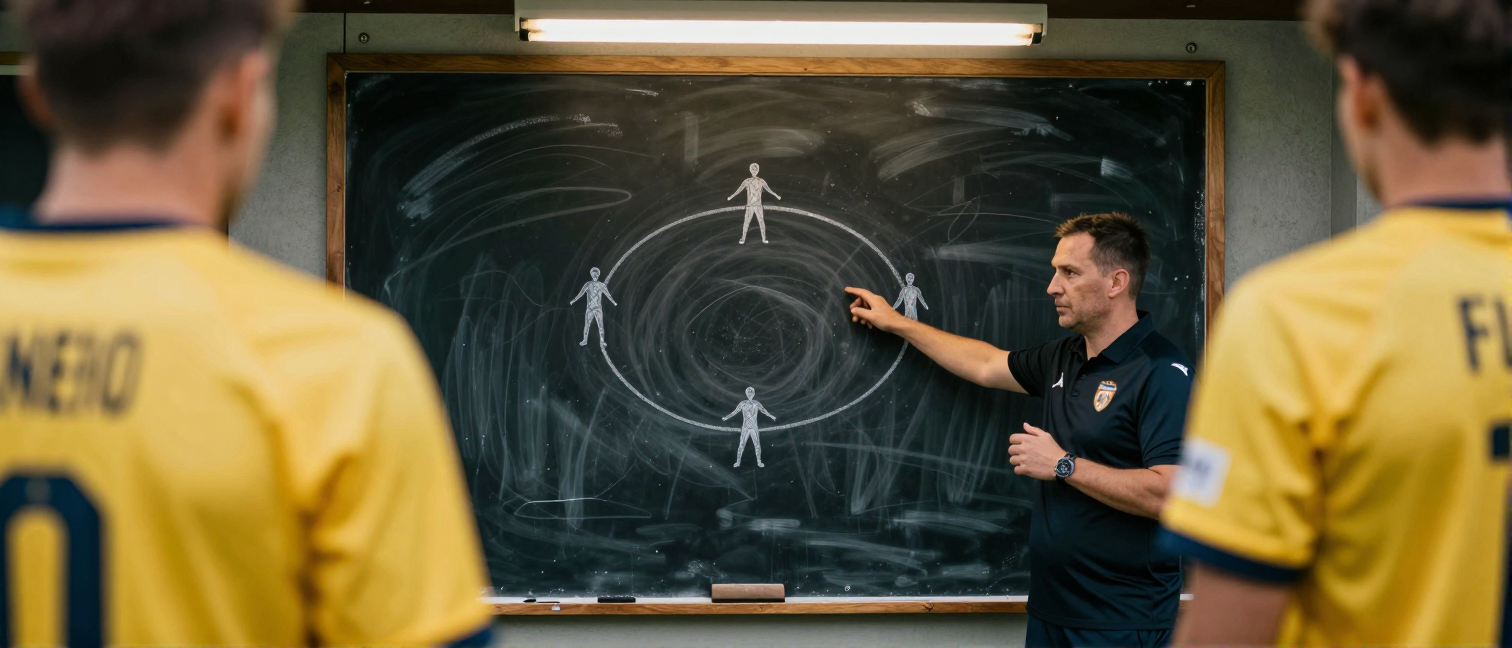
Under Ronald Koeman, Oranje has developed a clear tactical identity. The emphasis is on ball possession, quick attacks, and a solid defense. Koeman's approach has allowed the team to excel both defensively and offensively.
Key Tactical Elements:
- Ball Possession: Dutch players are trained to maintain control over the ball, enabling them to dictate the pace of the game.
- Wing Attacks: With speedy wingers, Oranje can surprise opponents and create chances.
- Defensive Depth: Strong defenders like Matthijs de Ligt help the team remain compact and quickly transition to attack.
What This Means for the Netherlands
The journey to North America is not just an opportunity to play but also to further develop team chemistry. With the FIFA World Cup 2026 in sight, it is crucial for players to work well together and strengthen their connections. This is the last chance to prepare for the upcoming tournaments.
Moreover, matches against strong opponents will help them measure themselves against the world’s best. A successful campaign in North America can boost the players' confidence and prepare them for the challenges ahead.
Fans and Media: The Pressure to Perform
Dutch fans have always been loyal to their team, but recent disappointments have heightened the pressure. Expectations are high, and supporters are eager to finally reap the rewards of their loyalty. Social media has become a powerful tool for fans to express their opinions and either support or pressure players.
- Expectations: Fans expect strong performances in North America, aiming to build momentum for the World Cup.
- Media Attention: The Dutch media closely follows the team, analyzing every step they take, which increases pressure on the players.
What’s at Stake?
The matches in North America are more than just preparation; they are an opportunity to make a statement. The Dutch team wants not only to win but also to showcase their playing style and team spirit. This is the moment to demonstrate they are ready for the challenges ahead.
What’s Next?
Following their adventure in North America, the FIFA World Cup 2026 awaits. Oranje has the chance to make history and finally claim that long-awaited title. The pressure is high, but with the right mindset and preparation, they can win the hearts of millions of fans. The world is watching, and the time is ripe for Oranje to shine.