Oranje is gearing up for the knockout clash with Morocco, and Dutch‑Moroccans are watching every move with high tension. The discussion on Goed Ingelichte Kring with Nordin Ghouddani and Amed Aboutaleb shows how dual identity shapes the atmosphere.
The guests stress that the game is more than sport; it’s a moment of cultural connection. Ghouddani says families in Rotterdam and Amsterdam gather, share TV screens, and debate tactics and pride. Aboutaleb adds that the youngest generation mainly identifies with players who share their background.
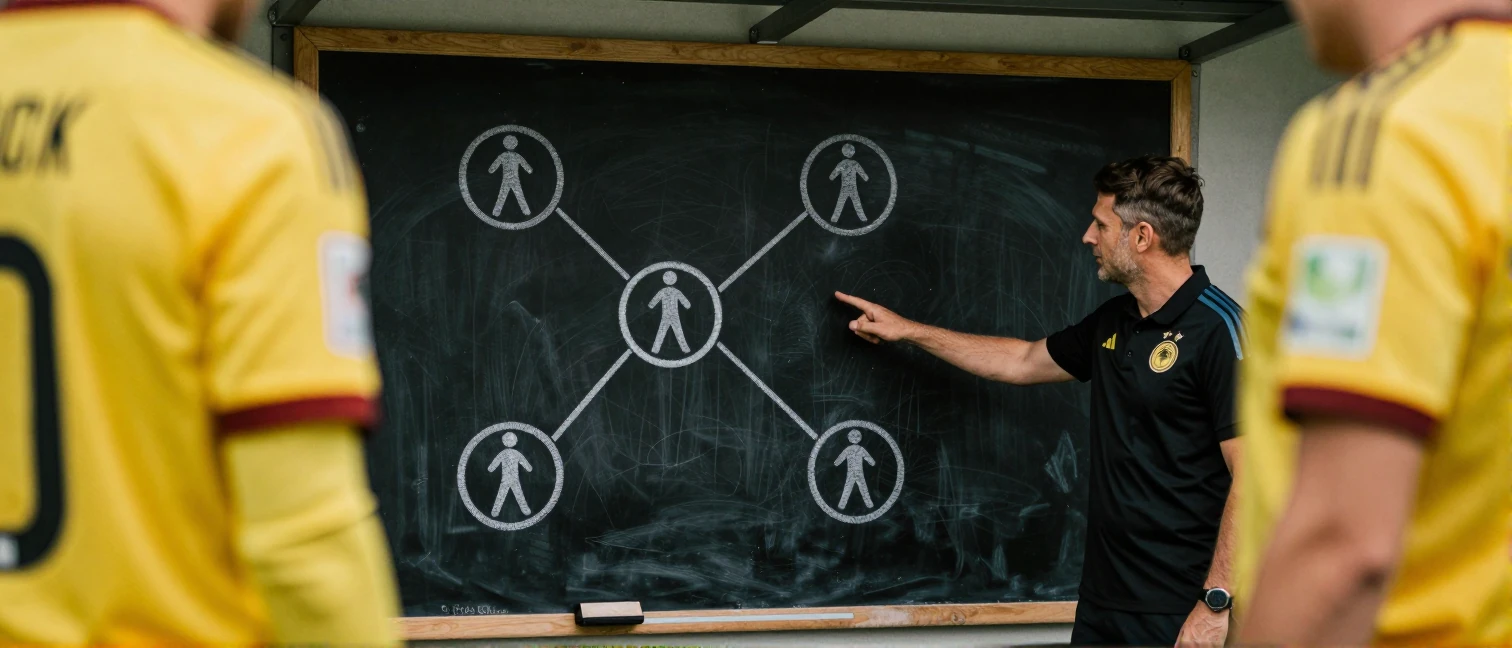
For Oranje the match tests mental strength. After a 2‑2 draw with Japan (2026‑06‑14) and a recent form of 2W‑2D‑1L, the team must prove it can perform under pressure. Opponent Morocco also has a fanbase in the Netherlands, making the atmosphere in city pubs intense.
A win would give Oranje a favorable spot for the quarter‑finals, while a loss would block the path to the semi‑finals. The next scheduled fixture is against Germany at home on 2026‑09‑24, a showdown that will attract even more media attention.
The participants note that shows like Mocro Inside now receive more focus. They appreciate the openness but warn against sensationalism. The talk ends with a call to stay respectful, regardless of the outcome, and to view the sport as a bridge between cultures.