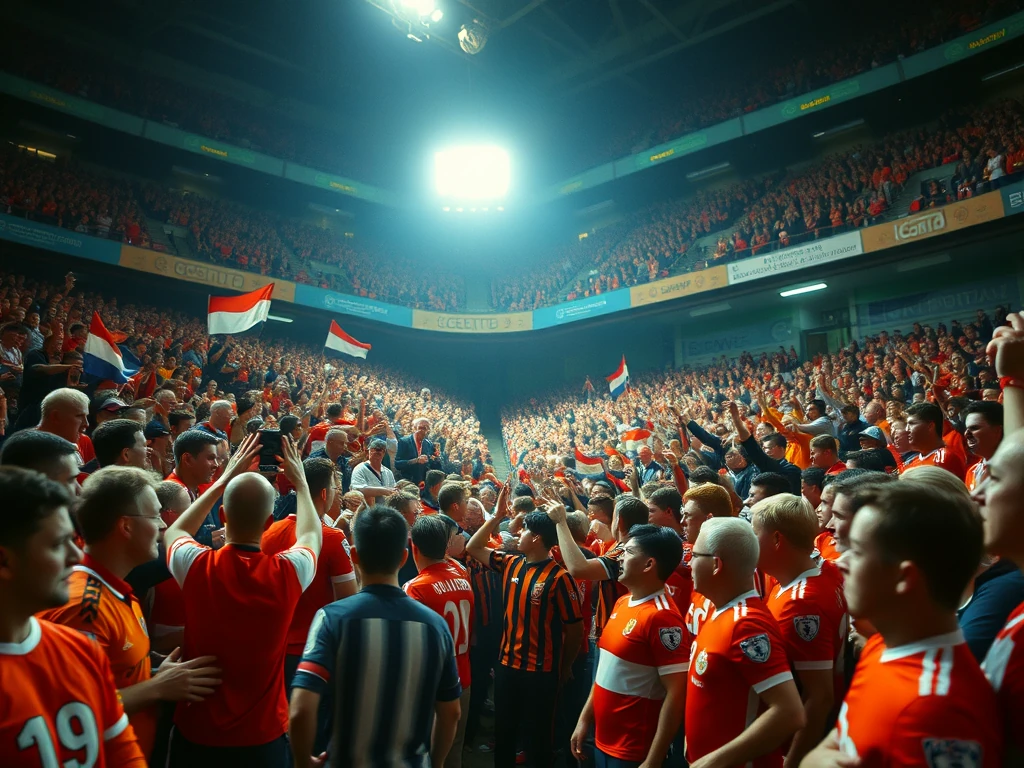
The Unbreakable Supporter Culture of Oranje: Rituals and Traditions
The supporters of the Dutch national team, better known as Oranje, are not only fans; they are an integral part of the football experience. The strength of their passion and the depth of their traditions create a unique phenomenon within the world of football. Both at the national and club levels, the rituals that keep fans engaged are just as important as the matches themselves.
The Derby Atmosphere: More Than a Match
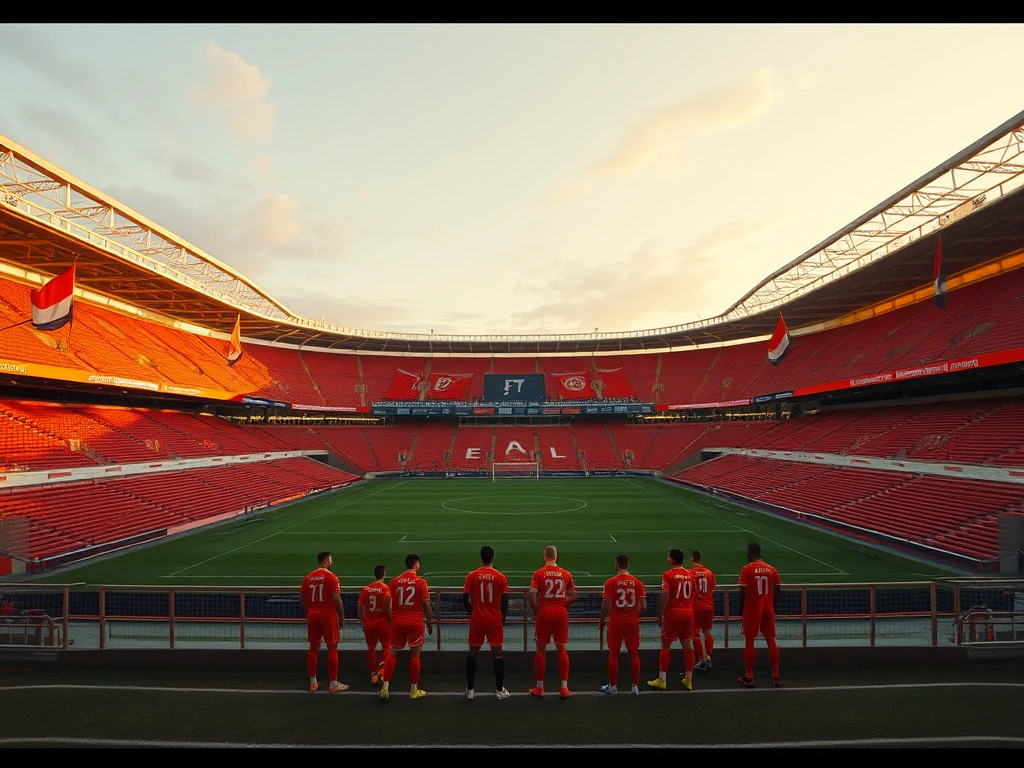
When two rival teams meet, especially in derbies, the atmosphere in the stadium is palpable. The sounds of chants, the waving of scarves, and the clapping of hands are the soundtrack of these intense encounters. Supporters group De harde kern, often found near the North Stand of the stadiums, ensures the most colorful and boisterous atmosphere.
Rituals such as singing the national anthem, delivered with pride and fervor, are key in creating a shared identity. This is not only a moment; it’s a celebration of unity and pride. The tension and emotion are felt in every fiber of the stadium, especially during major tournaments like the World Cup.
Stadium Rituals: An Unmistakable Bond
At every home game of Oranje, there are rituals that supporters uphold. Bringing a flag with hand-painted slogans, creating a banner, or even organizing a joint pre-match gathering in the city are examples of how fans prepare for the game. All of this is more than just a way to support the players; it’s a means of bringing the community of supporters closer together.
Another beautiful example is the 'Oranje-wonderland' atmosphere created when fans cheer for their team. Wearing orange clothing, painting faces, and gathering in cafés and on squares create a festive atmosphere that colors the streets of the Netherlands. This ritual fosters a sense of togetherness that connects fans, regardless of their background.
The Power of Tradition: A Legacy
Traditions in Dutch supporter culture are not only bound to the present, but they also have deep historical roots. It’s not uncommon to see older supporters bringing their children and grandchildren to matches, ensuring that the love for Oranje is passed down from generation to generation. This ensures that traditions remain alive and that new fans feel connected to the history of their team.
During major tournaments, such as the upcoming World Cup 2026, these traditions become even more visible. Fans travel en masse to the cities where the matches take place, often in large groups, and go above and beyond to support the players. It is a journey that is not only about football, but also about bringing friends and family together, celebrating Dutch culture, and sharing unforgettable experiences.
As we approach World Cup 2026, it is clear that Oranje supporters have not only a team behind them, but also a rich, dynamic culture that connects them. Their rituals and traditions are the roots of their passion, making the football experience in the Netherlands unique. It is this unbreakable spirit that makes Oranje more than just a football team; it is a source of pride and a symbol of unity for millions of Dutch people.